
Finding reliable sources for epoxy coated carbon steel pipe has become increasingly critical for engineers. Additionally, project managers worldwide face this sourcing challenge daily. The most cost-effective approach involves purchasing directly from certified manufacturers. These suppliers offer comprehensive quality control. Furthermore, they provide competitive pricing and complete documentation. Leading suppliers like Longma Group provide end-to-end solutions. They hold international certifications. Consequently, this ensures your projects meet strict industry standards. At the same time, it maintains budget efficiency.
The global demand for protective pipeline solutions continues to surge. This trend spans across multiple industries. Therefore, project procurement managers face mounting pressure. They must secure high-quality materials. These materials must withstand harsh environmental conditions. Moreover, they must maintain cost efficiency. Understanding where to source epoxy coated carbon steel pipe is vital. Knowing how to source directly from manufacturers is equally important. Ultimately, this knowledge can significantly impact project success rates. It also affects long-term operational costs.
|
|
|
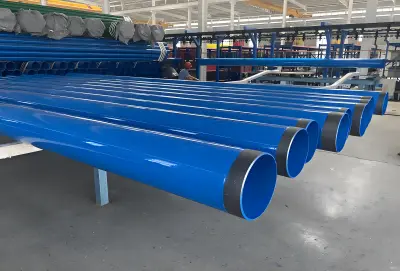
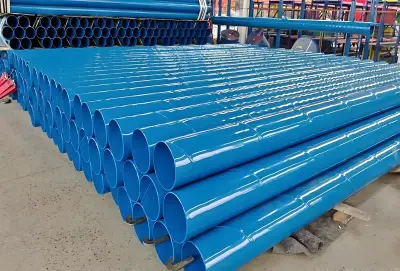
Understanding Epoxy Coated Carbon Steel Pipe Applications and Benefits
Industrial Applications Across Major Sectors
Epoxy lined pipe systems dominate critical infrastructure projects worldwide. Specifically, oil and gas transportation networks rely heavily on them. These industries need corrosion-resistant pipe solutions. Such solutions maintain operational integrity across challenging environments. In addition, water supply systems utilize carbon steel pipe coating technology. This technology prevents contamination effectively. Furthermore, it extends service life beyond traditional alternatives.
Offshore platform construction presents unique challenges. However, epoxy coating technology addresses these effectively. The marine environment subjects pipelines to constant moisture exposure. Additionally, they face salt spray and temperature fluctuations. Anti-corrosion coating systems provide essential protection. As a result, this ensures decades of reliable service.
Bridge and building structural applications also benefit. They gain from the enhanced durability that protective pipe coating delivers. Industrial manufacturing facilities require specific pipeline systems. These systems must withstand chemical exposure. They must also endure temperature variations and mechanical stress. Fortunately, epoxy resin coating provides superior protection. It guards against these demanding conditions effectively.
Technical Advantages of Epoxy Protection Systems
Steel pipe protection through epoxy coating offers exceptional advantages. For instance, it provides superior corrosion resistance compared to uncoated alternatives. The coating creates a robust barrier. This barrier prevents moisture from reaching the substrate. Similarly, it blocks chemicals from contacting the underlying carbon steel. Consequently, this protection significantly reduces maintenance requirements. It also extends the operational lifespan of the infrastructure.
Pipe corrosion prevention becomes critical in specific settings. This is especially true in environments with aggressive media exposure. Epoxy coated carbon steel pipe materials demonstrate excellent adhesion properties. Therefore, they resist disbondment under stress. Additionally, the smooth internal surface reduces friction losses. This feature maintains flow efficiency. It preserves performance throughout the system's operational life.
Coated pipeline systems provide distinct cost advantages. Primarily, they reduce replacement frequencies. They also lower ongoing maintenance requirements. The initial investment in epoxy coated tubing is worthwhile. It generates substantial long-term savings. Specifically, these savings come from decreased downtime. Reduced repair costs also contribute to the financial benefits.
Global Market Analysis for Epoxy Coated Pipeline Solutions
Regional Demand Patterns and Growth TrendsThe Middle East region drives significant demand. This is due to extensive oil and gas infrastructure development. Countries across this region invest heavily. They are funding pipeline expansion projects. These projects require reliable corrosion protection. Furthermore, Australia's mining and energy sectors create substantial demand. Major projects like MOBIL OIL AUSTRALIA serve as prime examples. They require high-quality coated pipe applications.
Southeast Asia experiences rapid infrastructure growth. Consequently, this fuels demand for steel pipe durability solutions. Water treatment facilities across this region need protection. Industrial complexes also require these systems. Additionally, energy projects demand protective coating systems. These systems must perform reliably in tropical environments.
Market research indicates consistent growth. We see rising demand for pipe coating materials. This trend appears in both developed and emerging economies. Infrastructure aging in established markets creates opportunities. Specifically, it drives replacement opportunities. Meanwhile, developing regions build new systems. These new systems incorporate advanced protection technologies.
Supply Chain Considerations and Manufacturing Capacity
Global manufacturing capacity has expanded significantly. This expansion meets the growing demand for carbon steel corrosion resistance solutions. Leading manufacturers invest in advanced equipment. They utilize modern coating application machinery. Furthermore, they implement strict quality control systems. This ensures consistent product performance.
Supply chain reliability becomes crucial. This is particularly true for large-scale engineering projects. These projects often have tight schedules. Direct factory sourcing offers a solution. It provides better control over delivery timelines. Moreover, it ensures adherence to quality specifications. This is superior to multi-tier distribution channels.
Raw material quality affects final product performance. In fact, it impacts it significantly. Manufacturers must source steel from reputable mills. Mills like Shagang, Shangang, and Bao Steel are excellent examples. Sourcing from them demonstrates a commitment. It shows a dedication to consistent quality standards.
Comprehensive Sourcing Channel Comparison
Direct Factory Purchasing AdvantagesPurchasing strategies vary in effectiveness. Below is a comparison of common sourcing channels.
| Channel Type | Quality Control | Pricing | Customization | Documentation | Lead Times |
|---|---|---|---|---|---|
| Direct Factory | Excellent | Most Competitive | Full Options | Complete | Predictable |
| Local Distributors | Good | Marked Up | Limited | Basic | Short |
| B2B Platforms | Variable | Competitive | Moderate | Variable | Variable |
| Trading Companies | Moderate | Higher Markup | Limited | Incomplete | Uncertain |
| E-commerce | Unknown | Variable | Minimal | Poor | Unpredictable |
Distributor Network Evaluation
Local distributors provide convenient access. They are useful for smaller quantities. However, they often lack technical expertise. This is a disadvantage for complex applications. Furthermore, their markup structures can be high. This can significantly impact project budgets. This is particularly relevant for large-volume requirements.
B2B platforms offer access to multiple suppliers. Yet, they require careful verification. Buyers must check credentials and capabilities. Quality consistency varies widely across platform vendors. Therefore, thorough due diligence is essential.
Trading companies serve as intermediaries. Unfortunately, they may obscure actual manufacturing sources. This separation can complicate quality control. It also hinders technical support during project execution.
International Procurement Strategies
Direct engagement with certified manufacturers is beneficial. It provides transparency throughout the supply chain. This approach enables better communication. Specifically, it improves discussions regarding technical specifications. It also clarifies quality requirements and delivery schedules.
Establishing relationships with manufacturers is wise. You should choose those who maintain international certifications. This ensures compliance with project standards. For example, API 5L and ISO 9001 are key. These recognized certifications indicate a commitment. They prove the existence of quality management systems.
Long-term partnerships yield results. Working with reliable manufacturers can secure preferential pricing. Additionally, it ensures priority allocation. This helps during periods of high demand.
Supplier Verification and Quality Control Guidelines
Essential Certification RequirementsManufacturing facilities must demonstrate compliance. They need to meet relevant international standards. This applies to both pipe production and coating application. For instance, API 5L PSL1 and PSL2 certifications are vital. They indicate adherence to petroleum industry requirements. Similarly, ISO 3183 compliance ensures conformity. It aligns products with international pipeline standards.
Environmental certifications are also important. Safety management certifications like ISO 14001 are standard. OHSAS 18001 is another key indicator. These indicate responsible manufacturing practices. Furthermore, these certifications become increasingly important. They are essential for projects with sustainability requirements.
Factory Production Control (FPC) certificates are necessary. They demonstrate consistent quality management. This applies throughout the manufacturing process. Quality Management Systems certificates provide assurance. They confirm a systematic approach to quality control.
Technical Specification Verification
Epoxy coated carbon steel pipe specifications must align. They must match project requirements precisely. This includes the outer diameter and wall thickness. It also includes coating thickness. Standard ranges typically span 60.3-1422mm for outer diameter. Wall thickness usually ranges from 6.02-50.8mm.
Coating standard compliance requires verification. You must check against applicable specifications. Common standards include DIN 30670 and AWWA C210. ISO 21809-1 is another frequent requirement. Each standard addresses specific application requirements. They also define performance criteria.
Material test certificates (MTC) provide essential data. They document chemical composition. They also list mechanical properties. Furthermore, they detail coating performance characteristics. These documents enable traceability. They allow for compliance verification.
Inspection and Testing Protocols
Manufacturing Procedure Specifications (MPS) are critical documents. They outline the processes used. They describe how to produce coated pipes. These documents enable assessment. Buyers can evaluate manufacturing capability. They can also review quality control measures.
Inspection and Test Plans (ITP) define protocols. These are the testing protocols applied throughout production. Comprehensive ITPs include dimensional verification. They also include coating thickness measurement. Additionally, adhesion testing is a standard part of the plan.
Third-party inspection services provide value. They offer independent verification of quality compliance. Many projects require witness testing. Alternatively, they may need independent inspection. This ensures specification conformance.
Practical Procurement Strategies and Best Practices
Minimum Order Quantities and Economic ConsiderationsMost manufacturers establish minimum order quantities. They base these on production efficiency. Coating line utilization also plays a role. Typical MOQs range from 50 to 100 tons. This depends on pipe dimensions. It also depends on coating specifications.
Economic lot sizes consider transportation costs. They also factor in inventory carrying costs. Production scheduling requirements matter as well. Larger orders generally achieve better unit pricing. However, they require careful inventory management.
Project phasing can optimize order timing. This helps balance cost savings. It also manages storage requirements. Coordinating delivery schedules is smart. Aligning them with construction progress minimizes handling. It also reduces storage costs.
Payment Terms and Risk Management
Standard payment terms exist for international transactions. These typically involve a letter of credit. Bank guarantee arrangements are also common. These instruments provide security. They protect both buyers and sellers. This is crucial in cross-border transactions.
Progress payment schedules can help. They align cash flow with production milestones. Common arrangements include an advance payment. Then, progress payments occur during production. Finally, the last payment happens upon delivery or acceptance.
Currency hedging strategies help manage risks. They address exchange rate fluctuations. This is vital for large international purchases. Forward contracts can stabilize costs. Currency options act similarly. These tools are useful for projects with extended timelines.
Delivery Coordination and Logistics Planning
Container optimization requires careful planning. This maximizes shipping efficiency. Standard containers accommodate specific pipe lengths. They also have quantity limits. These factors influence overall transportation costs.
Port facilities affect logistics. Handling capabilities also impact delivery schedules and costs. Some destinations require specialized equipment. This is necessary for large-diameter pipes. Heavy-wall pipes also need special handling.
Documentation requirements vary by country. The destination country determines the rules. Requirements may include certificates of origin. Commercial invoices are standard. Compliance declarations might be needed. Proper documentation prevents customs delays. It also avoids additional costs.
Conclusion
Sourcing epoxy coated carbon steel pipe directly provides optimal value. Engaging with certified manufacturers ensures competitive pricing. It also guarantees quality assurance. Furthermore, it offers comprehensive technical support. The global market offers numerous opportunities. Specifically, there are chances for cost-effective procurement. This is particularly true through established manufacturers. These suppliers have proven track records.
Successful projects require diligence. They need careful supplier evaluation. Thorough specification verification is also mandatory. Additionally, strategic procurement planning is essential. Direct factory relationships enable better communication. They also allow for customization options. Finally, this approach supports long-term cost optimization. It ensures compliance with international standards. It meets all project requirements effectively.
Partner with Longma Group for Your Epoxy Coated Steel Pipe Requirements
Longma Group stands as your trusted partner. We are a premier epoxy coated carbon steel pipe manufacturer. We possess over 20 years of industry expertise. Additionally, our annual production capacity exceeds 1,000,000 tons. Our comprehensive certification portfolio includes API 5L. It also includes ISO 9001. Furthermore, we maintain environmental management systems. These ensure consistent quality and regulatory compliance. Contact our technical team at info@longma-group.com. We can discuss your project specifications. Subsequently, you will receive detailed quotations. We also provide complete technical documentation for your next pipeline project.
FAQ
What are the standard specifications for epoxy coated carbon steel pipe?Standard specifications typically follow API 5L. They may also follow ASTM A53 or EN10210. These cover pipe manufacturing. These are combined with coating standards. Examples include DIN 30670, AWWA C210, or ISO 21809-1. Common diameter ranges span 60.3-1422mm. Wall thicknesses range from 6.02-50.8mm.
How do I verify the quality of epoxy coating application?
Quality verification requires reviewing Material Test Certificates. You must also check coating thickness measurements. Furthermore, review adhesion test results. Holiday detection reports are also necessary. Independent third-party inspection services provide additional assurance. They verify coating quality and specification compliance.
What documentation should I expect from reliable manufacturers?
Complete documentation packages include Manufacturing Procedure Specifications. They also contain Inspection and Test Plans. Material Test Certificates are essential. Coating compliance certificates should be included. Finally, expect dimensional inspection reports. API 5L and ISO 9001 certificates indicate systematic quality management.
What are typical lead times for custom epoxy coated pipe orders?
Lead times vary based on order size. They also depend on specifications and production schedules. Typically, they range from 4 to 8 weeks for standard products. However, custom specifications may take longer. Large quantities may require 8 to 12 weeks. Planning ahead helps optimize delivery schedules. Maintaining communication with manufacturers is also helpful.
How do coating standards differ between regions?
Different regions emphasize various coating standards. This depends on local regulations. It also depends on industry practices. For example, North American projects often specify AWWA standards. Conversely, European applications follow DIN or EN standards. Middle Eastern projects frequently reference API or ISO specifications.