
Purchasing large-diameter, thick-wall api 5l X80 pipe requires careful attention to technical specifications, certification requirements, and supplier reliability. This high-strength line pipe, with a minimum yield strength of 555 MPa (80,500 psi), serves as the backbone of modern oil and gas transmission networks worldwide. Successfully procuring X80 grade steel pipe demands understanding API 5L standards, evaluating PSL1 and PSL2 quality levels, verifying material traceability, and partnering with manufacturers who maintain rigorous quality control throughout production. This guide walks project procurement directors through essential considerations—from specification validation to supplier selection—enabling confident decisions that meet contract milestones while optimizing project budgets.
|
|
|
Understanding API 5L X80 Pipe and Its Specifications
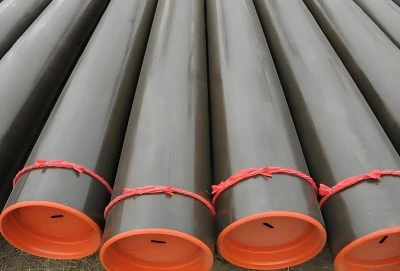
Api 5l X80 pipe is a high-quality grade of high-strength low-alloy (HSLA) steel that was designed to handle the tough needs of pipelines in the natural gas and oil industries. The "X80" name means that the minimum stated yield strength is 80,000 psi. This gives it great pressure containment capabilities while allowing thinner walls than lower-grade options like X65 or X70.
Large-Diameter and Thick-Wall Characteristics
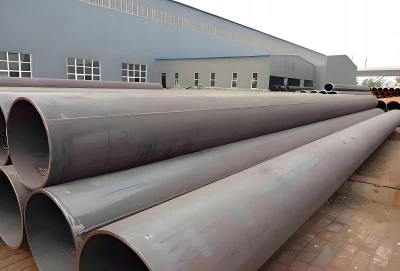
The outer diameter of large-diameter X80 pipes is usually between 16 and 72 inches. These pipes are made to move huge amounts of hydrocarbons across continental distances. Different types of thick walls, with schedules ranging from SCH10 to SCH160, can handle high-pressure needs in tough operational environments. When you combine a large diameter with a substantial wall thickness, you face unique manufacturing challenges that demand advanced production methods and strict quality checks.
Chemical and Mechanical Properties
The amazing strength of X80 pipe comes from controlled thermomechanical processing and micro-alloying with elements like titanium, niobium, and vanadium. The typical chemical makeup keeps low carbon equivalent values (CE(IIW) below 0.43) to keep the ability to weld even when the strength levels are high. Tensile strength between 625 and 827 MPa and a carefully managed yield-to-tensile ratio not exceeding 0.93 are some of the mechanical properties. These properties make sure that the material can bend enough before it breaks.
The microstructure is usually made up of fine-grained acicular ferrite or bainite, which makes it harder to break. Charpy V-Notch (CVN) impact testing and Drop-Weight Tear Test (DWTT) evaluations show that the pipes are very resistant to cracks spreading, which is important for strain-based pipeline design ideas that are becoming more popular in modern projects.
Relevant Industry Standards
The production of X80 pipes is governed by API 5L specifications. For this grade, PSL2 (Product Specification Level 2) is the standard requirement because of the need for mandatory notch toughness testing and stricter chemical composition controls. ISO 3183 L555 and EN 10208-2 L555M are two foreign standards that are the same. These specifications tell manufacturers what the minimum requirements are for things like size, strength, chemical make-up, and testing methods. They must always be met.
Critical Factors to Consider When Buying Large-Diameter, Thick-Wall X80 Pipe
Getting the right api 5l X80 pipe depends on carefully looking at many factors that are all linked and affect the overall success of the job. The project specs are the basis, but knowing how the different parts work together is what sets experienced procurement professionals apart from those who run into costly problems in the middle of a project.
Material Quality and Traceability
Full material tracking starts at the steel mill and continues through all stages of production and delivery. Premium X80 pipe makers only get their raw materials from trustworthy mills like Shagang, TISCO, and BaoSteel, and they keep careful records of the heat numbers throughout the production process. Permanent markings should be put on each section of pipe that match Material Test Certificates (MTC) that meet EN 10204 3.1 or 3.2 standards.
Third-party approvals are an independent way to check that a company can make something and that its quality system works. The API Monogram license shows that a maker has been through thorough facility checks and keeps quality management systems that meet API Q1 standards. ISO 9001 certification backs up more general quality management practices. ISO 14001 and ISO 45001 certifications show dedication to worker safety and protecting the environment, which are things that project owners and EPC companies are becoming more and more interested in.
Certification Requirements
In addition to basic API 5L compliance, project requirements often call for extra certifications that cover particular service conditions. Hydrogen sulfide makes NACE MR0175/ISO 15156 compliance necessary for sour service applications. To stop sulfide stress cracking, these applications need special material chemistry and hardness control. If you want to use X80 pipe in an H2S environment, you should choose X80MS (modified sour service) or X80QS (qualified sour service) versions that have been proven to meet these standards.
Corrosion Resistance and Mechanical Performance
Even though the basic qualities of X80 pipe are great, the surroundings may require better corrosion protection. Coatings on the outside, like three-layer polyethylene (3LPE), fusion-bonded epoxy (FBE), or two-part polypropylene (2PP) systems, make things last longer in rough soil. Options for sealing or lining the inside protect against acidic fluids that are being moved. Talking to makers about the specifics of a project lets you choose a coating that will work well in the situations that it will be used in.
Logistics and Delivery Considerations
Due to their weight, size, and transportation restrictions, large-diameter, thick-wall pipes are very hard to move. Standard production lead times are between 45 and 60 days, but makers who keep a lot of stock on hand can offer faster delivery, sometimes as quickly as seven days for popular specs. Minimum order quantities depend on the diameter and thickness of the walls, but are usually between 20 and 100 tons, depending on how efficiently the product is made.
When you ship things internationally, you need to pay close attention to the export paperwork, like commercial invoices, packing lists, certificates of origin, and quality documentation packages. Experienced makers can help you with all of your customs needs across multiple countries, which keeps you from having to wait in expensive lines at international borders.
Comparing API 5L X80 Pipe with Alternative Pipe Grades
The choice of materials has a big effect on the cost, performance, and dependability of a project over time. When buying teams know the relative benefits of different options, they can make trade-offs that are in line with the goals of the project.
X80 versus X70 and X65
API 5L X80 pipe has a yield strength that is about 14% higher than X70 pipe and about 22% higher than X65 pipe. Because of this strength advantage, the wall thickness needs to be lessened to keep the same pressure ratings. This could cut the amount of steel used by 10-15%. Less weight affects the economics of the project by lowering the cost of shipping, cutting down on the amount of welding supplies needed, and lowering the need for installation tools.
However, this performance comes with higher material costs (8–12% more than X70) and stricter welding rules in the field. To keep hydrogen from causing cracks in heat-affected areas, X80 requires electrodes that match or are over-matching (E9010 or E10018-G), strict temperature control during warmup and interpass, and higher standards for welder training.
Higher-Grade Options: X100 Considerations
X100 pipe, which has a minimum yield strength of 690 MPa, can be used for projects that need to handle very high pressures. Further reduction in wall thickness is possible with X100, but it adds more complexity by making it harder to find suppliers, costing 30–40% more than X80, and having even stricter welding rules. Most long-distance transmission projects find that X80 strikes the best mix between improving speed and making the system easy to build.
Market Price Trends
Right now, the market is showing how much raw materials cost, how much production capacity is being used, and how supply and demand are changing in different areas. Welded X80 pipe made with longitudinal submerged arc welding (LSAW) usually costs 15 to 20 percent less than seamless equivalents in large diameters, but works just as well in most situations. Bulk orders and long-term supply agreements often offer price breaks of 5 to 8 percent, which encourages suppliers to get involved early in the project development stages.
Conclusion
To successfully buy large-diameter, thick-wall api 5l X80 pipe, you need to know the technical specifications inside and out, evaluate suppliers in a planned way, and keep an eye on quality checks throughout the whole manufacturing process. When project managers carefully check the validity of API certification, the ability to track materials, the compliance of mechanical properties, and delivery options, they set up their projects to be finished on time, on budget, and in line with all contractual obligations. Putting money into strict buying practices pays off in the long run with reliable supply chain performance, fewer problems with field building, and top-notch operations. When you work with well-known makers who have all the right certifications and a track record of success, buying goes from being a necessary evil to a strategic asset that helps the project succeed.
FAQ
What distinguishes PSL1 from PSL2 for X80 pipe?
Api 5l X80 pipe usually needs PSL2 specification because it has to pass Charpy V-Notch impact tests, Drop-Weight Tear Tests, and stricter controls on carbon equivalent values that PSL1 doesn't have. PSL2 makes sure that high-strength pipes have the toughness qualities they need to be used safely, especially when it comes to stopping cracks. In theory, PSL1 allows the production of X80, but project requirements and good engineering practice always call for PSL2 for this grade. This means that PSL1 X80 is almost impossible to find in the market.
How can I verify API certification authenticity?
You can check API Monogram licenses by going to the American Petroleum Institute's online license checking system. This system has a list of all current license users, along with the products they are allowed to make and where they make them. Get copies of the API license certificate and most recent audit reports from the manufacturer. Reputable manufacturers are happy to provide this paperwork and welcome questions about its accuracy. On the other hand, manufacturers who are reluctant to share certification information should be looked at more closely before signing a contract.
What factors most significantly impact X80 pipe pricing?
Price is mainly affected by the cost of materials, the difficulty of production, the number of orders, and how quickly they need to be delivered. Compared to smaller sizes, large-diameter, thick-wall designs cost more per ton because they need more raw materials and special tools to make. People who place orders for more than 500 tons usually get bulk savings, but people who want faster delivery will have to pay more. Prices change between procurement rounds because of things in the market like the price of steel scrap, the cost of energy, and how much capacity is being used in the area.
Partner with Longma Group for Certified API 5L X80 Pipe Supply
Longma Group offers total solutions for EPC builders who need large-diameter, thick-wall X80 pipe. These solutions are backed by full API 5L certification and strict quality guarantee. Our factories keep their API Monogram licenses and their ISO 9001, 14001, and 45001 certifications up to date. This shows that they are always committed to quality, safety, and being good to the environment. We can reliably serve projects of any size because we can produce more than a million tons of steel each year and have strategic ties with top Chinese mills like Shagang and BaoSteel for raw materials.
During the design review process, our expert team helps procurement directors. We offer fast seven-day delivery on popular configurations and full documentation packages that include MTC, ITP, and third-party inspection reports that meet international standards. If you need standard PSL2 X80 pipes or special versions for sour service uses, Longma Group is ready to be your go-to api 5l X80 pipe manufacturer. Email our project solutions team at info@longma-group.com to talk about your specific needs and get detailed technical proposals that will help you with your next pipeline project.