
When builders need materials that are very strong and won't break the bank, galvanized mild steel pipes are always the best choice. These steel materials with a zinc coating have changed how buildings are built in industrial areas, on infrastructure projects, and in commercial buildings. Project managers who need materials that will work reliably for decades need to know the technical standards, protective features, and how to choose the right materials.
|
|
 |
Understanding Galvanized Mild Steel Pipe Manufacturing and Quality Standards
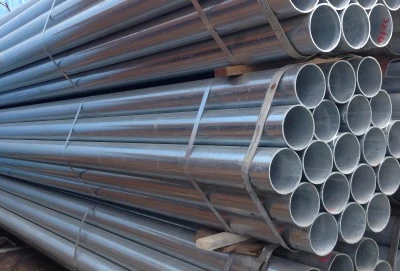
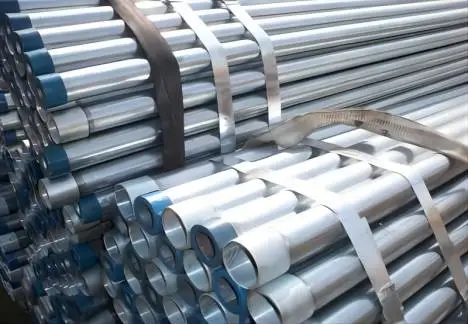
The first step in making galvanised mild steel pipe is to carefully choose the foundation materials. Hot-dip galvanising is a procedure used by manufacturers on steel pipes. It adds a coating of zinc to the surface that keeps rust from forming and makes the pipes last longer. Low-carbon steel is the main substrate because it is easy to shape and weld. These features are very important when fabricators need to make complicated pipe systems or structural components.
The Hot-Dip Galvanization Process Explained
Preparation of the surface is the first step in quality. Cleaning pipes well is necessary to get rid of mill scale, oil residues, and oxidation products. Before galvanising, the steel pipe is cleaned to get rid of any rust, oil, or dirt. Then it is dipped in a bath of molten zinc. This cleaning usually involves acid pickling, which is when weak hydrochloric or sulphuric acid removes dirt from the steel surface. After pickling, pipes have a fluxing treatment that helps zinc stick better during the next stage, which is immersion.
The galvanising bath itself stays at about 450 degrees Celsius. When steel pipes come into contact with molten zinc, iron atoms from the steel surface react with zinc atoms. This reaction creates intermetallic layers between the steel substrate and the pure zinc outer coating. The metallurgical bond that forms can't flake or peel like paint-based coatings may. The ultimate coating thickness, which is usually between 45 and 125 micrometres, depends on how long the immersion lasts and the chemistry of the zinc bath.
Critical Quality Standards and Certifications
International standards control the making of galvanized mild steel pipe so that all producers make pipes of the same high quality. ASTM A53 is the most prevalent standard for galvanised steel pipe used in industry. Grade B is needed for structural projects since it has a greater tensile strength. The API 5L standard is for pipes used in the oil and gas sectors, where pressure ratings and chemical resistance are very important. EN10210 is commonly used in European markets for structural hollow sections.
Standard Specifications Overview
ASTM A53: This standard includes black and hot-dipped galvanised steel pipe that is either seamless or welded. Grade A has a minimum yield strength of 30,000 psi, while Grade B has a minimum yield strength of 35,000 psi. The standard talks about mechanical qualities, hydrostatic testing, and how much leeway there is in size.
API 5L: This is the standard that pipeline transportation systems use. It tells you what the chemical makeup and mechanical properties of steel grades A through X80 should be. API 5L is often used in projects that include moving oil, gas, or water.
EN10210: This standard is used for hot-finished structural hollow sections in European structural applications. It sets tolerances, testing techniques, and labelling requirements that are in line with EU building rules.
Coating standards should get as much attention as pipe requirements. ASTM A123 closely controls the technical standards for hot-dip galvanised items. This includes checking the thickness of the zinc coating based on the kind of material and the appearance, adhesion, coating weight, and mechanical qualities of the product. These specifications make sure that zinc coatings will protect well for the whole time they are planned to be used. ISO 21809-1 talks about coatings that go on the outside of buried or submerged pipes. It includes galvanising standards along with various coating systems.
Applications and Performance Benefits in Construction Projects
Galvanized mild steel pipe has several uses in the building industry. Its flexibility comes from having balanced qualities that meet several performance standards at once. Knowing the different types of applications helps customers choose the right requirements for their projects.
Water Distribution and Plumbing Systems
Galvanised pipe has long been used by municipalities to move water around. The zinc coating protects the steel for a longer time in soil where minerals and moisture would quickly erode it. Galvanised pipe is a great choice for water systems since it can handle high pressure and doesn't rust. It can also be used to move oil and liquid waste and last a long time. Galvanised pipes are especially good for fire prevention systems since the coating doesn't wear off even when the systems aren't used for years at a time.
Water chemistry is very important for modern plumbing systems. Galvanised pipes work best in water that is neutral or slightly alkaline, although water that is very acidic might speed up the process of zinc dissolving. Before specifying galvanised goods for process pipework, water treatment plants and chemical plants need to look at the unique properties of the fluids they use. There are less chemical problems with non-potable uses including irrigation, grey water systems, and cooling tower distribution.
Structural Framework and Support Systems
In industrial areas, construction sites use galvanised structural pipes for scaffolding, temporary barriers, and framework assembly. Buildings made of galvanised steel may endure for 50 years without needing repairs, which is better than stainless steel and structural steel. The zinc coating protects the surface so that it doesn't need to be painted, even while it's outside. This feature that doesn't require maintenance cuts down on lifespan expenses a lot compared to painted carbon steel options.
More and more architectural designs use exposed galvanised tubing as a design feature. The silver-gray finish gives it an industrial look that goes well with modern architecture. Galvanised treatments make handrails, guardrails, and ornamental screens look better and last longer. When done correctly, fabricators like how the coating protects cut edges and welded connections.
Industrial and Manufacturing Facilities
In factories, corrosion happens faster because of high humidity, chemical exposure, and changes in temperature. For material handling systems, process pipes, and structural supports, galvanized mild steel pipe works well in these situations. Galvanised pipes are often used in industry to make frames for machines, truck beds, gates, fences around industrial areas, and even furniture including beds, tables, and chairs. The coating can handle regular washing and minimal mechanical abuse that would ruin painted surfaces.
Commercial and industrial buildings use galvanised pipe for HVAC systems to cover refrigerant lines, ventilate ducts, and drain condensate. The material stays strong over a wide variety of temperatures and doesn't rust when exposed to moisture in the air. Electrical conduit applications benefit in the same way, with the zinc coating providing grounding continuity and protection for wire that is inside the conduit.
Agricultural and Outdoor Infrastructure
Farmers have known for a long time that galvanised tubing is a cheap way to build irrigation systems, barns for animals, and greenhouses. Galvanised pipe may be used in greenhouses, animal shelters, and irrigation systems. It can also stand up to dirt, humidity, and even animals. The coating can handle contact with dirt, animal faeces, and fertiliser, which would quickly ruin steel that hasn't been treated. Pivot irrigation systems, stock tanks, and feeding devices show how useful the material is in farming.
Marine settings and building projects along the shore need better protection against corrosion. Standard galvanised coatings work well, but if they are close to salt water, they may need stronger zinc layers or further protection. To make sure they last a long time, piers, boardwalks, and other beach structures need to be carefully designed. Some projects use galvanising along with other organic coatings to give the best protection in very harsh situations.
Selection Criteria and Technical Considerations for Buyers
When buying galvanized mild steel pipe, you need to look at more than just the size specs. When choosing, the project requirements decide which features are most important. Informed purchasers think about how each specification will effect the total cost of ownership and long-term performance.
Dimensional Standards and Size Selection
People who don't know much about how the industry works may find it hard to understand how pipe sizes are determined. The Nominal Pipe Size (NPS) system sorts pipes by their interior diameter. Sizes range from half an inch to three inches, and bigger sizes are often employed in building projects. The actual sizes of pipes are different from their nominal sizes, especially for pipes that are less than six inches in diameter. Buyers should check the real outer diameter, wall thickness, and internal diameter instead of believing that nominal figures are the same as physical measures.
Schedule numbers that provide pressure ratings and structural strength are used to classify wall thickness. Most typical construction projects may use Schedule 40, which is normal weight pipe. Schedule 80 or thicker walls are needed for projects that need greater pressure ratings or the ability to hold more weight. When figuring out weight, flow capacity, or structural qualities, you need to look at dimensional tables since the link between schedule number and wall thickness changes with pipe diameter.
Coating Thickness and Quality Assessment
Zinc coating thickness directly influences corrosion protection duration. Thicker coatings last longer but cost more and may affect threading operations. Standard coating grades range from approximately 45 micrometers for lighter-duty applications to 125 micrometers for severe service conditions. Galvanizing coating should be hot-dip zinc with 45-125 micrometer thickness, verified through supplier certifications and coating thickness test results. Testing methods include magnetic thickness gauges for non-destructive measurement or chemical stripping for precise weight determination.
Visual inspection reveals coating quality through appearance characteristics. Properly galvanized surfaces display uniform gray coloring without bare spots, thin areas, or excessive roughness. Some applications tolerate minor cosmetic variations while others demand flawless finishes. Buyers should communicate aesthetic requirements clearly when appearance matters for exposed installations. Manufacturing variations naturally occur, but systematic defects indicate process control problems that warrant investigation.
Mechanical Properties and Performance Requirements
Base steel composition and heat treatment determine mechanical characteristics like tensile strength, yield strength, and elongation. Mild steel pipes exhibit elongation typically between 20-30 percent, with ductility and weldability allowing pipes to be bent, cut, and formed into various shapes for diverse applications. Applications involving bending, forming, or welding require adequate ductility to prevent cracking. Cold working operations like pipe threading or end forming benefit from softer, more formable grades.
Pressure ratings depend on wall thickness, diameter, and steel grade rather than galvanizing treatment. Hydrostatic testing verifies that pipes can safely contain specified pressures without leaking or bursting. Most standards require testing at pressures significantly exceeding normal operating levels to provide safety margins. Buyers should confirm that suppliers perform and document required testing rather than assuming compliance based solely on dimensional specifications.
End Finish and Connection Methods
Pipe ends arrive either plain, beveled, or threaded depending on intended connection methods. Threaded ends facilitate mechanical joining for smaller diameter pipes in plumbing applications. Threading must occur after galvanizing to avoid damaging the zinc coating at joint interfaces. Plain ends suit welding applications where field fabrication creates permanent connections. Beveled ends prepare pipes for butt welding in accordance with welding procedure specifications.
Connection compatibility extends beyond just physical fit. Mixing dissimilar metals in piping systems can trigger galvanic corrosion that accelerates material degradation. Joining galvanized steel to copper, stainless steel, or other materials requires dielectric isolation to prevent electrochemical reactions. Proper system design accounts for thermal expansion, vibration, and stress concentrations at joints where failures commonly initiate.
Partner with a Proven Manufacturer
When your construction project demands galvanized mild steel pipes that deliver decades of reliable service, choosing an experienced manufacturer makes all the difference. Longma Group combines advanced production technology with rigorous quality control and responsive customer support. Our comprehensive product range addresses applications from standard plumbing to heavy industrial infrastructure.
Contact our technical team to discuss your specific requirements and receive detailed product recommendations. We provide quotations, technical specifications, and delivery schedules tailored to your project needs.
Email: info@longma-group.com
Conclusion
Galvanized mild steel pipe represents a proven solution for construction projects requiring durable, cost-effective materials. Understanding manufacturing processes, quality standards, and application considerations empowers buyers to make informed decisions. The zinc coating's sacrificial protection mechanism extends service life far beyond untreated steel alternatives, reducing maintenance requirements and lifecycle costs.
Proper selection matches pipe specifications to project requirements through evaluation of dimensions, coating thickness, mechanical properties, and connection methods. Installation practices that preserve coating integrity and avoid incompatible material combinations ensure systems perform as designed. Routine inspection identifies potential issues before failures occur, maximizing return on material investment.
Working with experienced manufacturers provides access to technical expertise and quality assurance systems that deliver consistent results. Longma Group's specialization in ERW and LSAW pipe production, combined with comprehensive size offerings and international standard compliance, positions the company as a reliable partner for construction projects. Our commitment to quality control and customer support helps buyers navigate specification complexities and achieve successful project outcomes.
FAQs
Q1: How long does galvanized mild steel pipe last in outdoor construction applications?A: Service life depends on environmental exposure and coating thickness. In typical atmospheric conditions away from marine environments, properly galvanized pipes last 40 to 50 years. Thicker zinc coatings extend protection duration proportionally. Harsh environments like coastal areas or industrial atmospheres may reduce lifespan to 20-30 years. Regular inspection helps predict remaining service life based on coating condition.
Q2: Can galvanized pipes be welded without damaging the protective coating?
A: Welding vaporizes zinc coating in heat-affected zones, creating gaps in corrosion protection. Proper technique minimizes damage by grinding away coating from immediate weld areas, then applying zinc-rich paint after joints cool. Adequate ventilation prevents zinc fume exposure during welding operations. Some applications use mechanical connections instead of welding to preserve continuous coating protection.
Q3: What's the difference between Schedule 40 and Schedule 80 galvanized pipe?
A: Schedule numbers indicate wall thickness relative to pipe diameter. Schedule 80 has thicker walls than Schedule 40 for the same nominal size, providing higher pressure ratings and greater structural strength. Schedule 40 suits most general construction needs while Schedule 80 addresses high-pressure systems or heavy structural loads. Both receive the same galvanizing treatment, so coating protection doesn't differ between schedules.
Q4: Are there special requirements for joining galvanized pipe to other materials?
A: Connecting dissimilar metals requires dielectric isolation to prevent galvanic corrosion. Specialized fittings incorporate non-conductive barriers when joining galvanized steel to copper, stainless steel, or other materials. Direct metal-to-metal contact between different materials accelerates corrosion in moisture presence. Proper system design accounts for these compatibility issues during planning stages.
Q5: How can buyers verify the quality of galvanized coating before accepting delivery?
A: Quality verification includes visual inspection for uniform appearance without bare spots or excessive roughness. Magnetic thickness gauges provide non-destructive coating measurement at multiple locations. Suppliers should provide mill test reports documenting coating weight and adhesion test results. The copper sulfate test checks coating continuity by applying solution that turns red on exposed steel but remains clear on intact zinc. Systematic sampling ensures batch quality meets specifications.